


Links:
Hamish Fulton on Instagram
Hamish Fulton: Nature & Walking at School Gallery, Folkestone
Hamish at National Galleries of Scotland
Hamish at Tate Britain
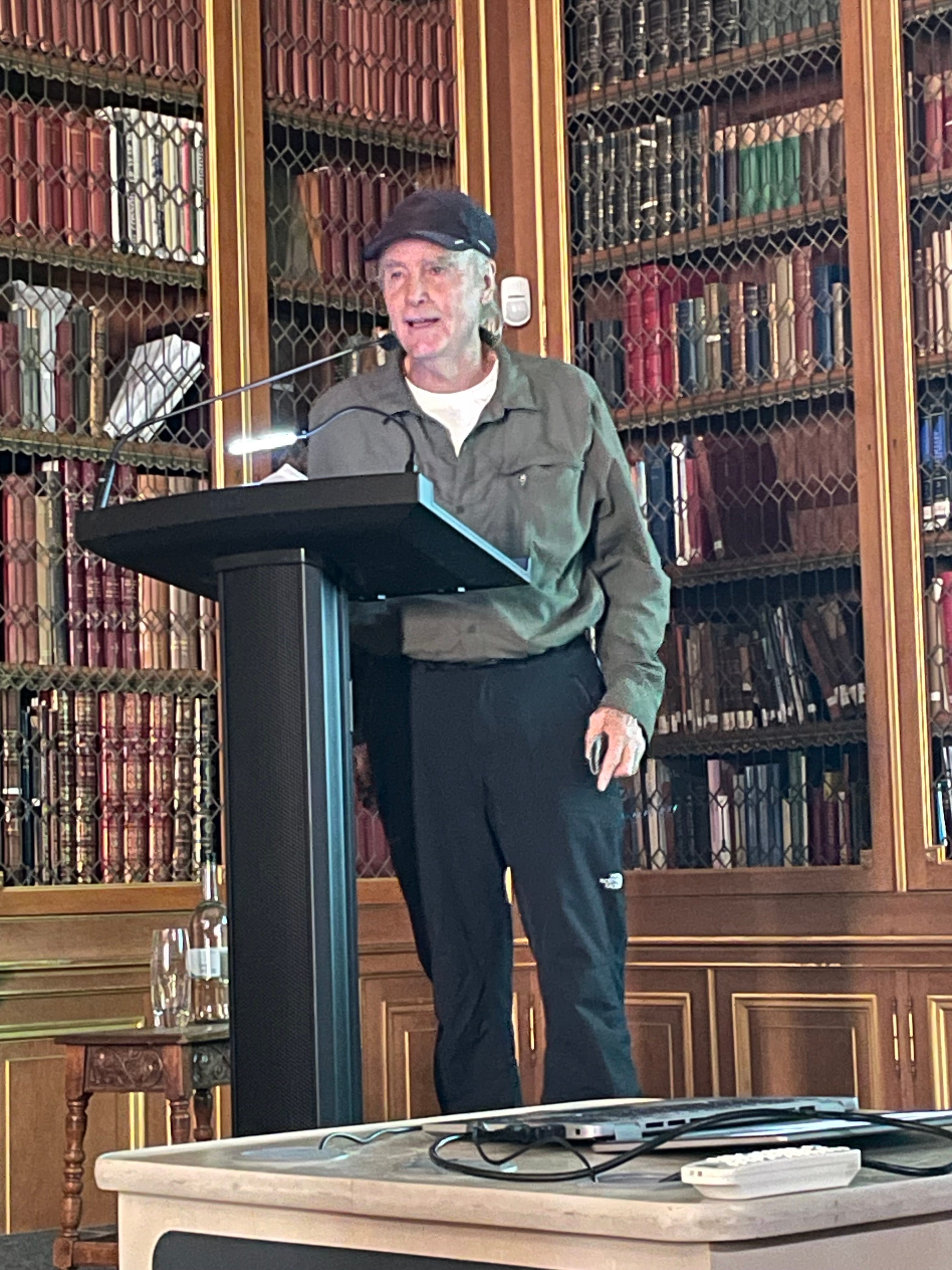
Hamish Fulton is one of the most enduring and influential figures of 20th/21st century British art, even if the textbooks don’t necessarily reflect this. For more than 50 years, Fulton has declared the act of ‘making a walk’ to be art - not walking to a place to transform it through sculpture, or bring part of it back, but to leave no trace; to enact art through the walk itself.
Hamish Fulton’s work has included walks all over Europe, Asia, North America and more; walks in honour of, and in support of, ‘the Tibet issue’ or indigenous North Americans; walks with communities and walks alone, in day and night, sleepless, camping or under a roof. A walk of, for example, three days he refers to as ‘short’. The after-effect, we might say, are often frames containing photographs or graphics, maps, colours and - most famously - simple texts.
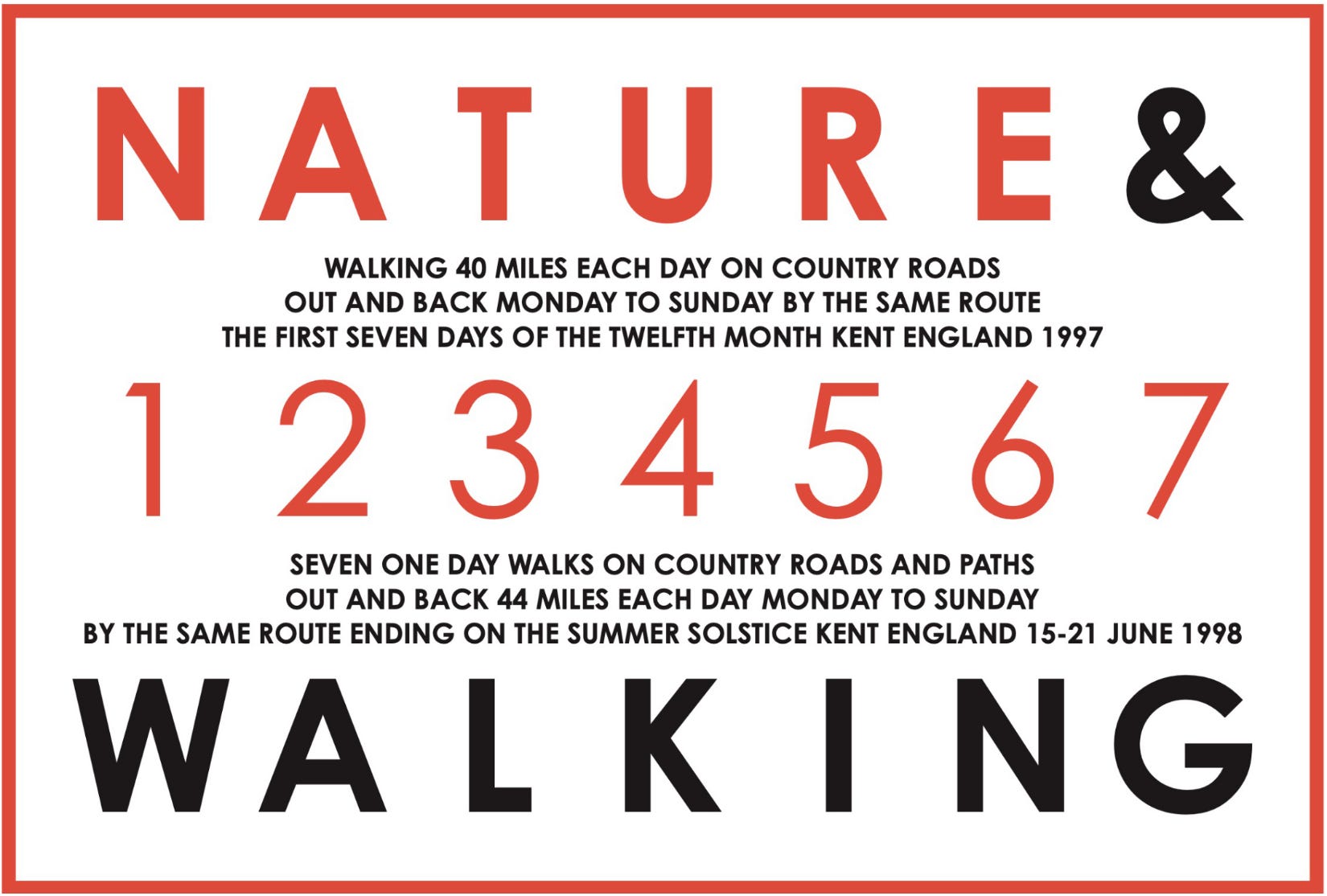
Hamish Fulton is very insistent that he is not a land artist, although some art historians and curators put him in the group of British or English Land Artists due, perhaps, to his early associations with Richard Long. But as you’ll hear, his reasoning is philosophical and deeply held: he does not alter the natural world purposefully, and he doesn’t take it with him into the gallery - often not even as a photograph.
I hope you enjoy this conversation; I loved it, and cherish the opportunity to meet a hero - one with whom you might agree or disagree, but who you certainly must respect as part of our uncanny landscapes pantheon.
This episode is longer than normal by about 15 minutes despite having been edited for time; for that reason I have not included music, nor a conclusion, to keep as short as possible while still allowing the flow of conversation.


